

Retail has changed more in the past five years than in the previous twenty. Customers now move effortlessly between online and physical stores, expecting the same experience everywhere they engage. For multi-store retailers, this shift has created both opportunity and pressure.
Disconnected systems that once supported growth are now holding retailers back. What worked for a single location does not scale easily across five, ten or fifty stores.
Today, multi-store retailers need unified commerce not as a luxury, but as a foundation for sustainable growth.
According to Australia Post’s 2024 eCommerce Industry Report, over 9.8 million Australian households shop online, and cross-channel shopping continues to rise. Integrated systems are essential to match how customers actually shop today.
Retail efficiency isn’t just a back-office goal, it drives customer satisfaction, operational control, and long-term growth.

The Cost of Fragmented Retail Operations
Retail growth often happens incrementally. A successful store expands into a second location. Ecommerce is added. A marketplace integration follows. Promotions become more complex. Loyalty programs evolve.
But technology stacks rarely evolve as a single, unified system.
Instead, retailers end up managing:
A POS system operating independently per store
An ecommerce platform running separately from store inventory
Manual inventory adjustments between locations
Spreadsheet-based reporting processes
Limited visibility into cross-store performance
Initially, these gaps appear manageable. As the network grows, the inefficiencies compound.
The Productivity Commission of Australia has consistently highlighted that digital capability and system integration are key drivers of business productivity and competitiveness. Fragmented systems directly undermine those gains.
For retail leaders, fragmented systems are not just inconvenient. They introduce risk.
Why Multi-Store Retailers Need Unified Commerce
Unified commerce goes beyond traditional omnichannel retail. It connects POS, inventory, ecommerce, CRM and reporting into one ecosystem with a single source of truth.
For multi-store retailers, this changes how operations function at every level. It replaces system silos with real-time alignment.
Real Time Inventory Visibility
Inventory accuracy is central to retail performance. Without real-time visibility, retailers risk overselling, missed transfers and lost revenue.
With unified commerce:
Stock updates instantly across all locations
Ecommerce reflects accurate availability
Transfers are tracked centrally
Replenishment decisions improve
The real-time inventory data is one of the strongest drivers of improved margin performance in multi-location retail environments. Inventory visibility is no longer operational convenience. It is a competitive advantage.
A Retail POS System That Supports Enterprise Scale

Many retailers begin with standalone point of sale software. While functional at the counter, it often lacks broader integration capability.
A unified retail POS system ensures:
Centralised pricing governance
Synchronised promotions across locations
Seamless returns and exchanges
Unified customer transaction history
Faster and more reliable checkout workflows
Retail POS systems Australia retailers depend on must do more than process transactions. They must integrate seamlessly with order management systems and retail ERP software to support enterprise growth.
Without integration, customer experience becomes inconsistent across stores.
Unify Your Retail Operations with AdvanceRetail
Discover how an integrated retail POS system and retail ERP platform can transform your multi-store performance: https://www.advanceretail.com/
Order Management Alignment Across Channels
Click and collect, ship from store and cross-location fulfilment are now standard customer expectations. Disconnected order management software makes these workflows difficult to manage.
An integrated order management system provides:
Real-time order visibility across stores
Accurate stock allocation
Streamlined fulfilment coordination
Simplified returns handling
Improved cross channel consistency
PwC’s Global Consumer Insights Survey highlights that retailers with integrated digital operations outperform competitors in agility and customer satisfaction.
For multi-store retailers, fulfilment visibility directly impacts brand trust.
Retail ERP Software as the Strategic Control Centre
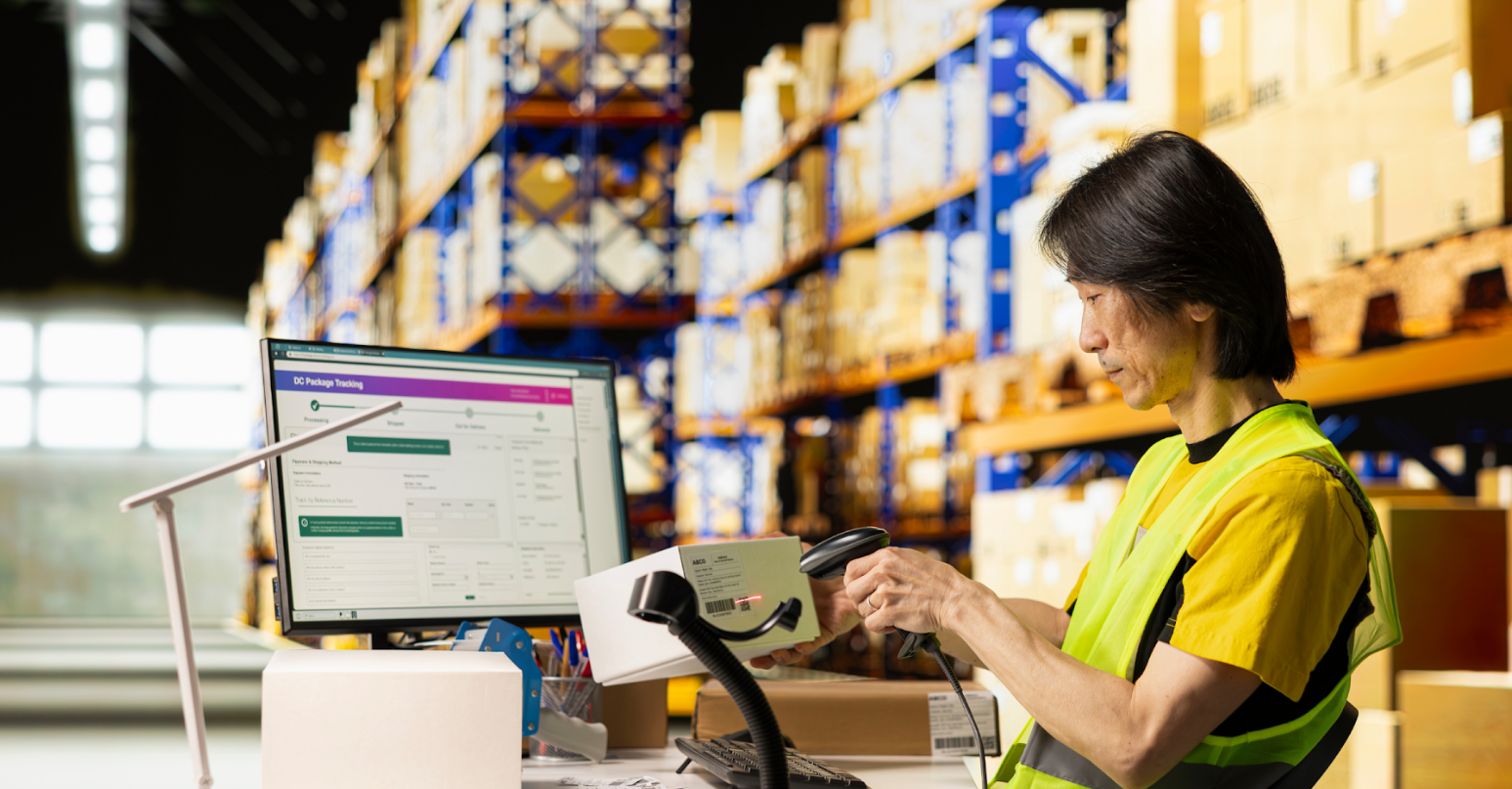
As store networks expand, leadership needs one place to see performance clearly and act quickly. A modern retail ERP software environment brings data from stores, inventory, ecommerce, and fulfilment into one connected view so decisions are made based on facts, not fixes.
A unified retail ERP software platform helps deliver:
Real-time sales and margin visibility across the store network
Store and channel performance reporting that leadership can trust
Inventory and replenishment insight across locations
Consistent data governance for pricing, promotions, and product data
Operational benchmarking across stores, regions, and channels
This shift is backed by broader digital transformation trends and adoption signals:
IDC forecasts that worldwide digital transformation spending will reach nearly USD 3.9 trillion in 2027, showing how central connected systems have become to operational performance.
In New Zealand, MBIE’s Digital Boost research reports 50 percent of businesses say they are not as digitally enabled as they could be, commonly citing tool choices and time constraints as barriers.
CPA Australia’s Business Technology Report 2025 found 94 percent of Australian organisations use data analytics or visualisation software, reinforcing how important consolidated reporting has become for management.
A modern retail ERP software platform turns operational data into leadership visibility, helping multi-store retailers move faster, reduce friction, and scale with control.
Why Disconnected Systems Limit Growth
Growth amplifies system weaknesses. Adding new stores increases reporting complexity, inventory movement and pricing variability.
Retailers operating without unified commerce often experience:
Margin erosion due to stock inaccuracies
Promotional inconsistency
Increased administrative workload
Slower onboarding for new stores
Reduced scalability
A disconnected retail management system cannot support sustained multi location growth.
Unified commerce reduces friction and strengthens scalability.
AdvanceRetail: Built for Unified Multi-Store Retail
AdvanceRetail delivers an integrated retail POS system, inventory management system and retail ERP software platform designed specifically for multi-store retailers.
It enables:
Centralised retail management system functionality
Real-time retail inventory management software visibility
Integrated order management system workflows
Scalable retail POS systems Australia retailers can rely on
Enterprise-grade reporting and governance
Rather than stitching together retail software solutions, AdvanceRetail provides one unified commerce ecosystem.
This ensures that as your retail business expands, your systems scale with clarity and control.
Want to learn more? Read this article: Retail ERP Software: Why It Matters in 2026
The Future of Multi Store Retail Is Unified

Retail has outgrown disconnected systems. Customers expect seamless service. Staff expect clarity. Leadership requires visibility.
Unified commerce built on a modern retail POS system, advanced inventory management system and integrated retail ERP software provides the operational backbone multi store retailers need.
It delivers:
Real-time visibility
Operational efficiency
Cross-store consistency
Scalable growth
Strategic control
For retailers across Australia and New Zealand, unified commerce is no longer optional.
It is essential.
Talk to AdvanceRetail Experts to Unify Your Retail Operations
If fragmented systems are slowing your multi-store retail operation, the issue is often technology architecture rather than team performance.
Talk to AdvanceRetail experts to see how a unified retail POS system and retail ERP software platform can bring your order management system and inventory management system into one connected environment built for modern retail.
Contact AdvanceRetail and book a demo today:https://www.advanceretail.com/contact